
01
Where we work
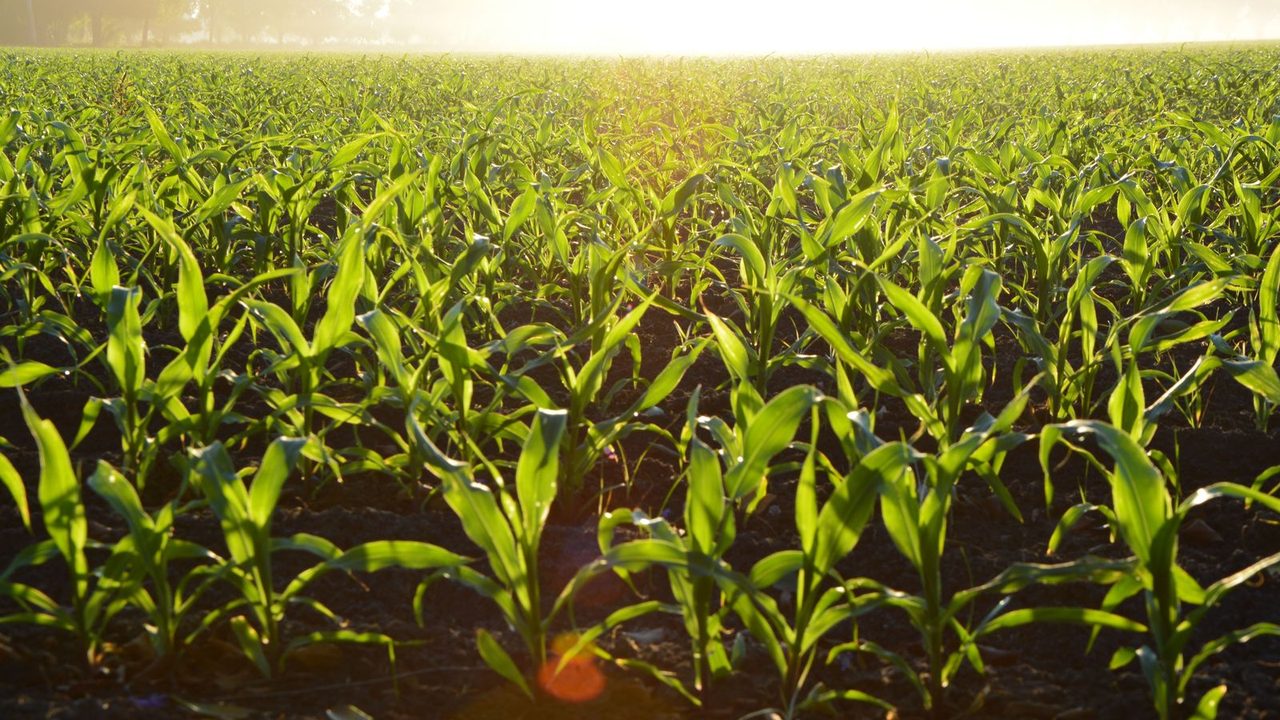
India’s largest untapped climate asset is its farmland. Regenerative practice, residue, and soil carbon become verified credits, and a Scope 3 story corporates can file.
Highest Priority · 13.7% Of India’s GHG
Soil carbon · Residue · Agroforestry · FPOs · Farmer programmes · Digital MRV
Highest-Priority Vertical
Agriculture is about 13.7% of India’s GHG, with large sequestration potential through improved practice, agroforestry, biochar, soil carbon, and biomass. Residues can be used. We run agricultural carbon, regenerative planning, credit projects, and DPRs as one programme.
Who We Typically Sit With
The organising unit is usually a mill, FPO, cooperative, or processor.

What The Work Looks Like Here
Agricultural carbon, regenerative practice, credit projects, and DPRs, in that order.
Farm-level carbon, soil carbon, crop and residue emissions, agricultural GHG accounting, and sequestration potential.
Practice assessment, soil-health improvement, water and resource efficiency, and farm-level sustainability planning.

Feasibility, farmer mobilisation, baseline data, MRV, and credit development where a methodology and buyer path exist.

Feasibility study, detailed project report, financial viability, carbon-revenue assessment, and an implementation roadmap.
Levers In This Vertical
How The Practice Shows Up
Credit feasibility, methodology, farmer MRV, and registration when land and residue can clear additionality.
Farm, soil, biomass, and processor inventories, including carbon-stock assessment.
ESG and sustainable-agriculture frameworks for mills, processors, and agri-businesses that disclose.
Net zero and resource-efficiency at mill and processor, plus Scope 3 for corporates buying from this chain.
How We Start
Mill, FPO, cooperative, or processor, and how farmers or residue reach that unit.

Current practice, soil and residue data you already have, and the gaps a methodology would refuse.
Inventory and ESG, a regenerative programme, or a credit / DPR path, chosen on the evidence.
What You Should Have At The End
Who is in the programme, what activity is claimed, and how it is checked.
A baseline that can be monitored year on year.
Whether a project file should proceed, and under which method.
ESG / net zero language that matches the field programme.
Next To The Farm Gate
Energy- and water-intensive mills with bagasse, press mud, molasses, and wastewater, ready levers for renewables, biomethane, and credit registration.
Strategic Focus
Electricity, fuel, and process emissions, with customers and investors now expecting a measured, defensible sustainability position.
Engineering · Auto · Foundries

Sustainable built environment and climate resilience: energy, water, waste, carbon, and green-building alignment for assets that have to last.
Built Environment

Among the highest GHG emitters, under tightening regulatory and investor pressure to cut emissions and prove the pathway.
Hard-To-Abate

High energy and water use, hazardous waste, and strict environmental regulation, disclosure has to stand up to audit.
Regulated Operations

Global brands now require suppliers to show ESG performance, lower emissions, and sustainable manufacturing.
Buyer-Driven Disclosure
Ready To Move
Mill, FPO, cooperative, or processor, crop, and region.
Reach us directly, or use the form for ESG reporting, carbon accounting, and climate strategy engagements.