


01
Where we work
High energy and water use, hazardous waste, and strict environmental regulation. Disclosure has to stand up to audit.
Regulated Operations
Energy · Water · Hazardous waste · ESG compliance · Environmental Reporting · Net Zero
Regulated Operations
Chemical and pharmaceutical operations use substantial energy and water, and must manage hazardous waste under strict regulation. ESG, carbon, waste strategy, and net zero planning have to match what EHS already reports to the regulator.
Who We Typically Sit With
Sites that already live in permits, and groups that also file ESG and carbon.


What The Work Looks Like Here
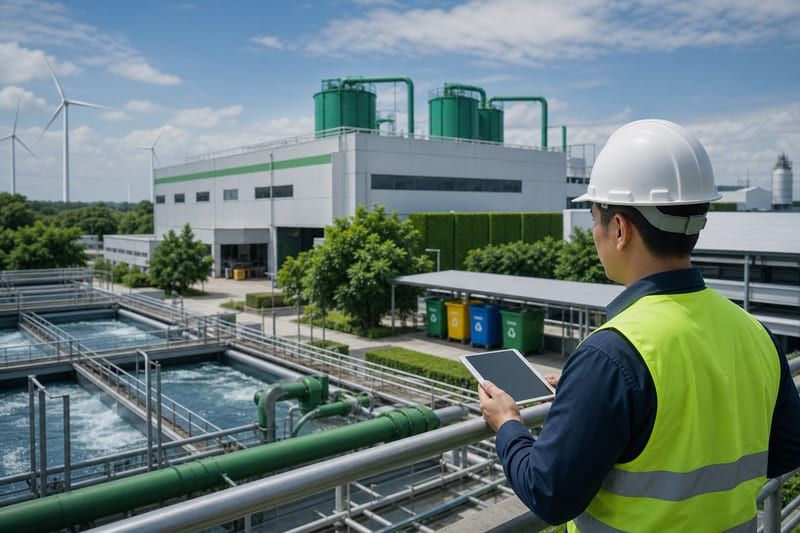
Disclosure reconciled with permits, monitoring, and EHS records.

Energy, process, and, where material, product-level carbon.
Hazardous and other waste streams: reduction, treatment, and waste-to-value inside the regulatory envelope.

A pathway that names energy, process, and residual tonnes after the compliance file is true.
Levers In This Vertical
How The Practice Shows Up
ESG compliance and environmental reporting on evidence EHS will sign.
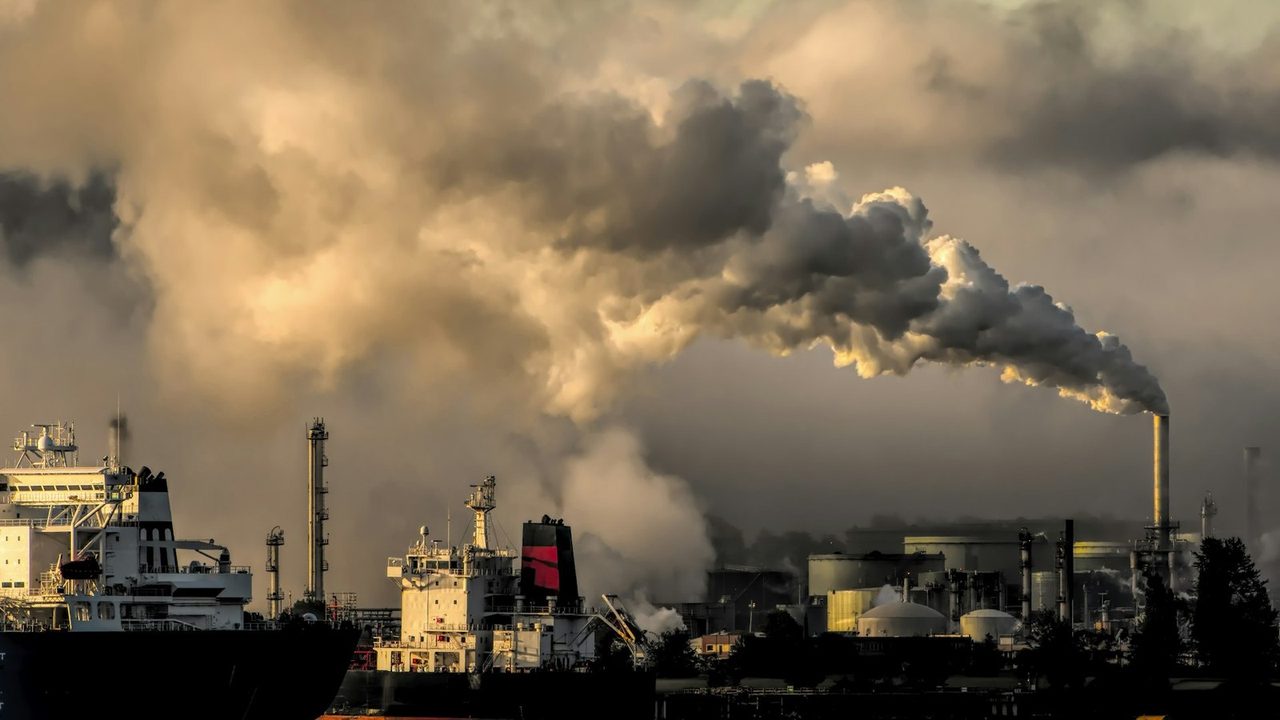

Waste strategy, resource efficiency, and net zero planning.

How We Start

What you already file, monitor, and get inspected on.
The three operational pressures that usually dominate cost and carbon.
BRSR, customer ESG, footprint, or net zero, aligned to the permit file.
What You Should Have At The End
ESG and carbon figures that EHS can recognise.
Hazardous and other streams with owners.
Energy and process tonnes in a form that can be updated.
A plan the site can permit and fund.
Other Regulated Process Sectors

India’s largest untapped climate asset is its farmland. Regenerative practice, residue, and soil carbon become verified credits, and a Scope 3 story corporates can file.
Highest Priority · 13.7% Of India’s GHG

Energy- and water-intensive mills with bagasse, press mud, molasses, and wastewater, ready levers for renewables, biomethane, and credit registration.
Strategic Focus
Electricity, fuel, and process emissions, with customers and investors now expecting a measured, defensible sustainability position.
Engineering · Auto · Foundries

Sustainable built environment and climate resilience: energy, water, waste, carbon, and green-building alignment for assets that have to last.
Built Environment

Among the highest GHG emitters, under tightening regulatory and investor pressure to cut emissions and prove the pathway.
Hard-To-Abate

Global brands now require suppliers to show ESG performance, lower emissions, and sustainable manufacturing.
Buyer-Driven Disclosure
Ready To Move
Inspection, customer audit, or BRSR.
Reach us directly, or use the form for ESG reporting, carbon accounting, and climate strategy engagements.