

01
Where we work
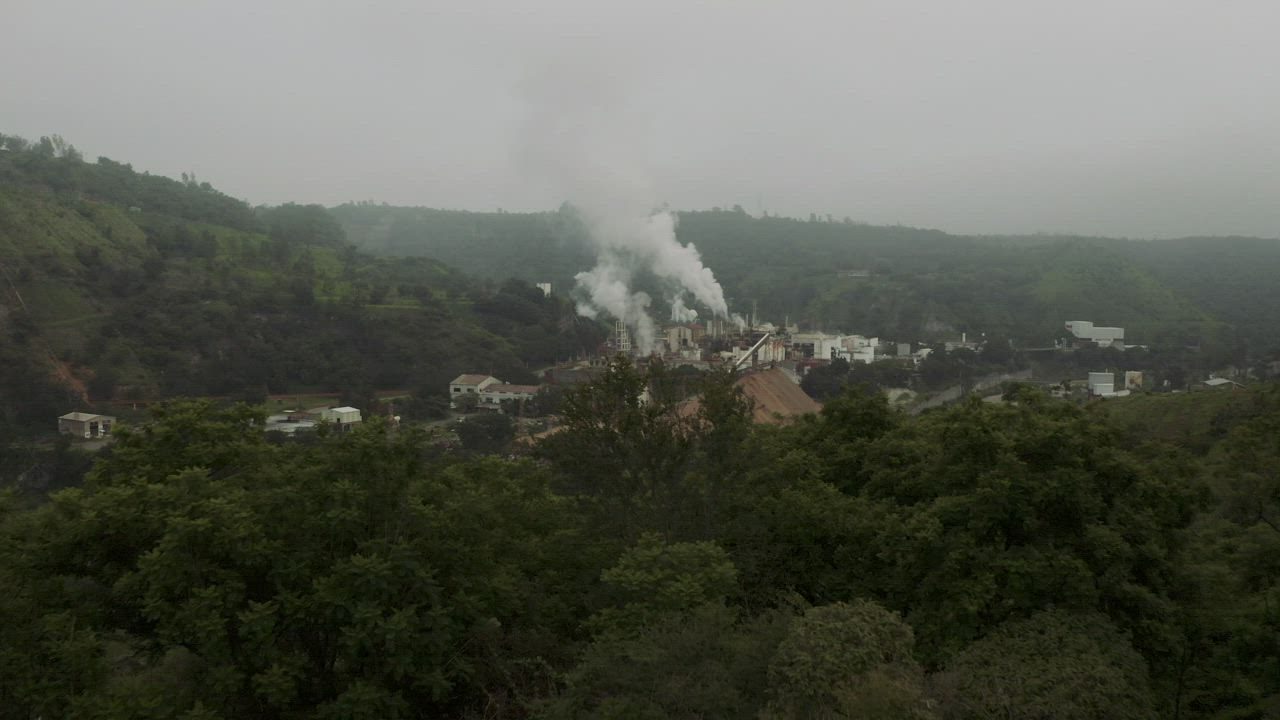
Among the highest GHG emitters, under tightening regulatory and investor pressure to cut emissions and prove the pathway.
Hard-To-Abate
Cement · Steel · Hard-to-abate · Climate risk · CCUS scan · Net Zero
Hard-To-Abate
Cement, steel, and heavy industry face rising regulatory and investor pressure. Efficiency and power still matter. So do process emissions, climate risk, and a carbon-capture scan where it is relevant. The output is a sustainability roadmap for this decade.
Who We Typically Sit With
Environment, energy, and strategy teams explaining process emissions to boards and lenders.


What The Work Looks Like Here
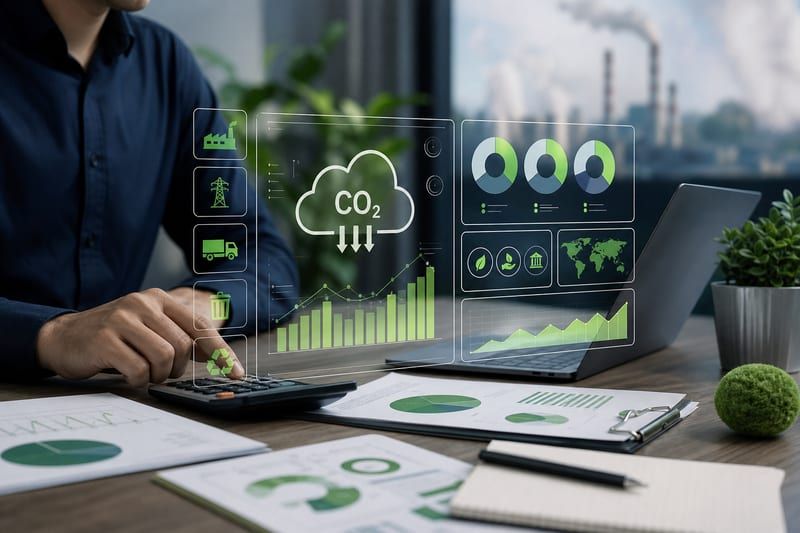
A heavy-industry inventory that keeps process, thermal, and power separate.
Efficiency, fuel switching, and process options sequenced by what the asset can do this decade.
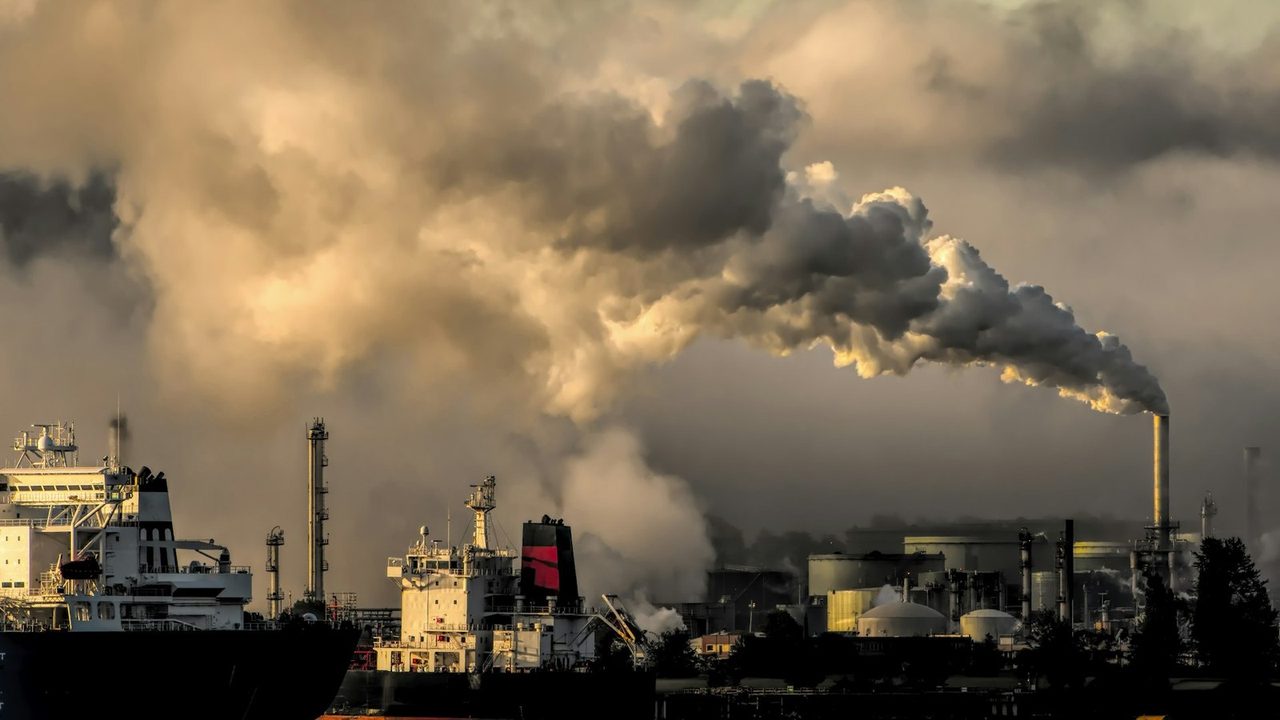
Net zero strategy with residual tonnes named, plus carbon-capture opportunity assessment where it is relevant.

ESG reporting, climate-risk assessment, and a sustainability roadmap investors can read against the asset base.
Levers In This Vertical
How The Practice Shows Up
Inventories that keep process, thermal, and power separate enough to plan against.
Decarbonisation, net zero, climate risk, and any capture conversation.
Disclosure and transition language for regulators and investors.

Residual or project-specific paths that survive additionality.
How We Start
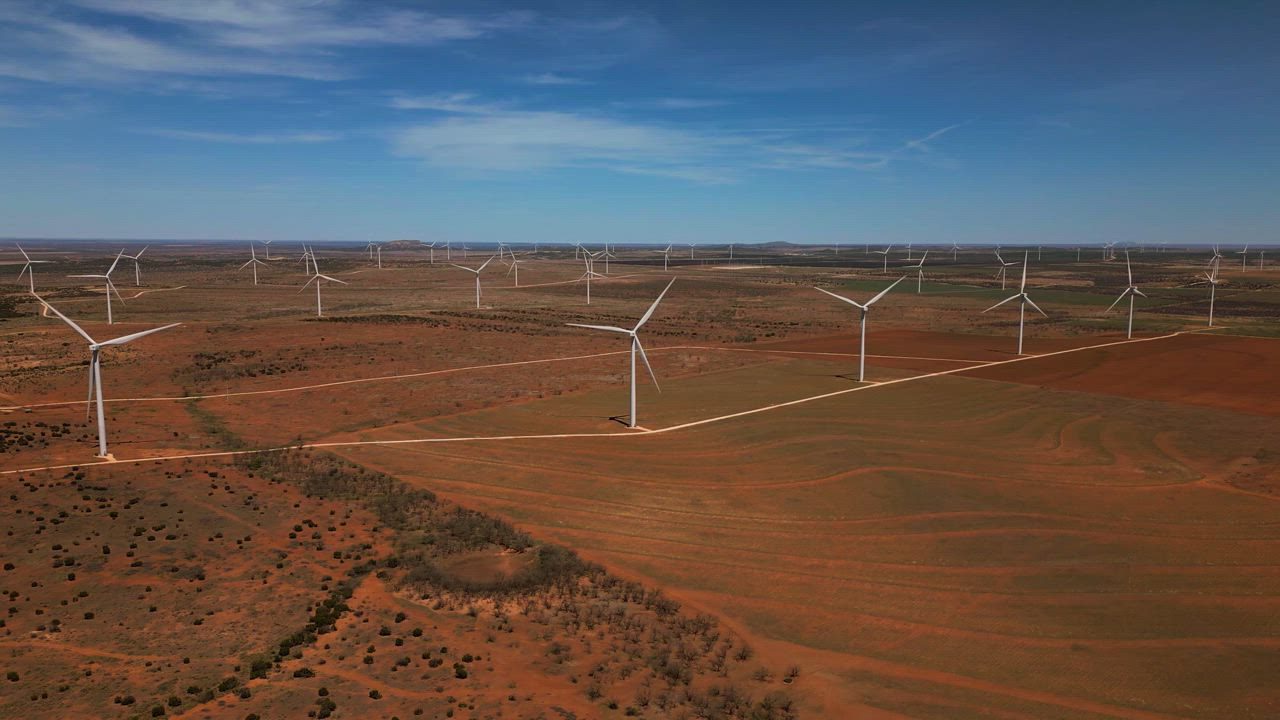
Process, energy, and power, so the first model treats the kiln as process.
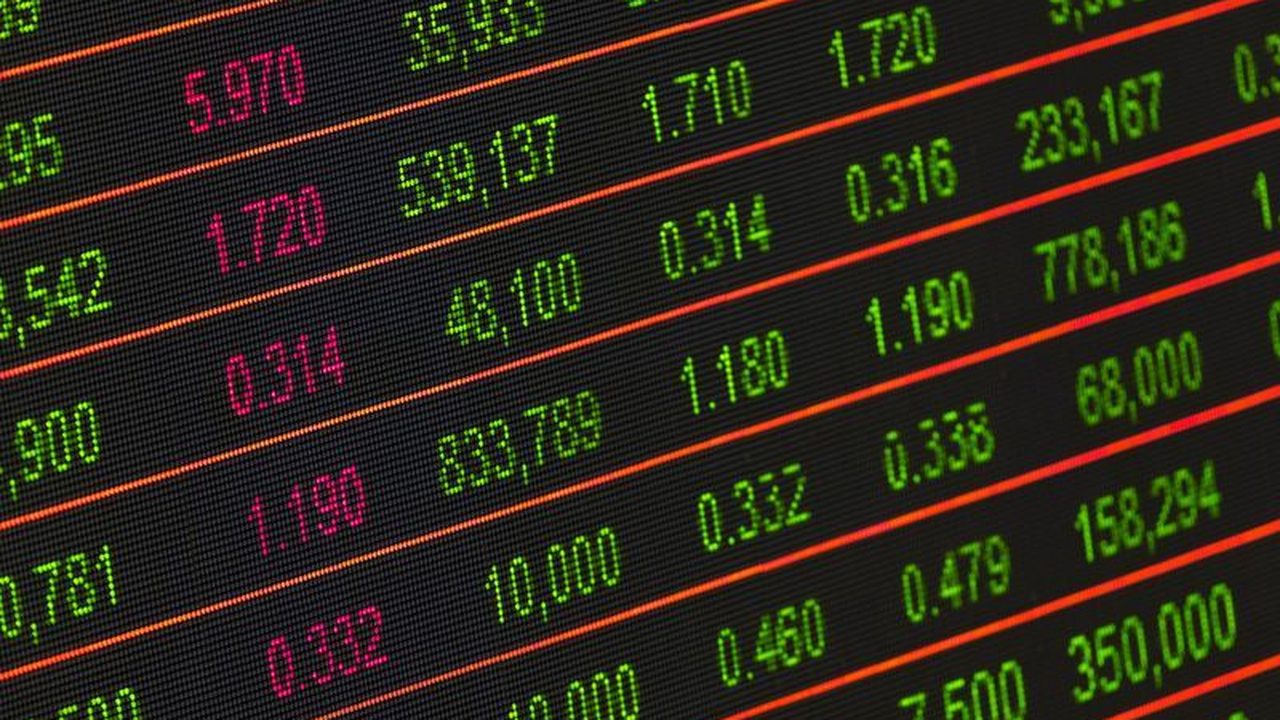
What must be disclosed this year, and what a lender or rating already asked.
Which levers are this decade, which are R&D, and whether a capture study is in scope.
What You Should Have At The End
Process, thermal, and power in language the plant and the board share.
What can be cut with known technology, and what remains.
Physical and transition risk tied to assets.
Whether carbon capture is worth a dedicated study.
Other High-Intensity Sectors

India’s largest untapped climate asset is its farmland. Regenerative practice, residue, and soil carbon become verified credits, and a Scope 3 story corporates can file.
Highest Priority · 13.7% Of India’s GHG
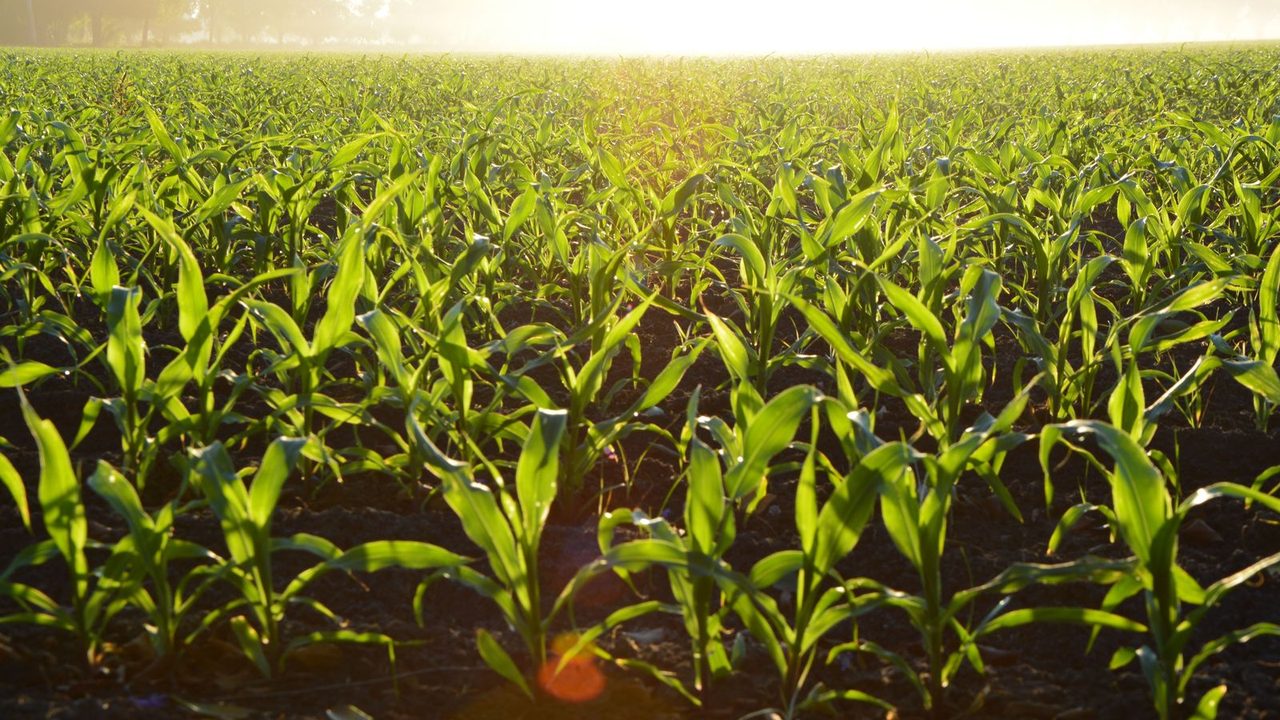
Energy- and water-intensive mills with bagasse, press mud, molasses, and wastewater, ready levers for renewables, biomethane, and credit registration.
Strategic Focus
Electricity, fuel, and process emissions, with customers and investors now expecting a measured, defensible sustainability position.
Engineering · Auto · Foundries
Sustainable built environment and climate resilience: energy, water, waste, carbon, and green-building alignment for assets that have to last.
Built Environment
High energy and water use, hazardous waste, and strict environmental regulation, disclosure has to stand up to audit.
Regulated Operations

Global brands now require suppliers to show ESG performance, lower emissions, and sustainable manufacturing.
Buyer-Driven Disclosure
Ready To Move
Kiln, furnace, or integrated plant.
Reach us directly, or use the form for ESG reporting, carbon accounting, and climate strategy engagements.